


Menu
By theme
By theme


{{ variable.name }} : {{ variable.values[selectedVariantsIndex[variable_index]].name }}
Quantity:
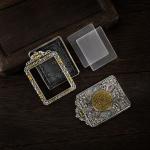
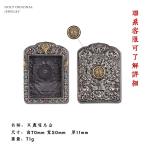
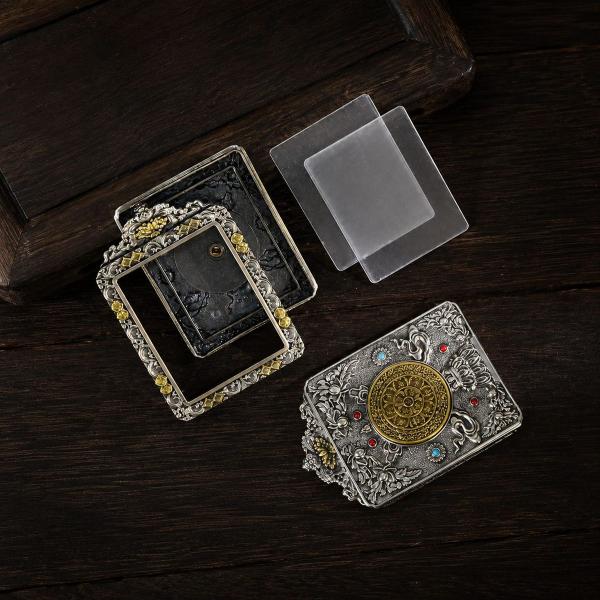
Gau is a Tibetan word for the box, not for what goes inside it. A small image, a written mantra, a scrap of cloth is put into a little shrine and worn at the chest, resting against the body as you walk, and that shrine is the gau box. They are made in copper, in wood, in leather casings; round, square, shaped like a shrine. What they share is a lid across the front with a raised rim around its edge, and a flat back that lies against the chest without digging in.
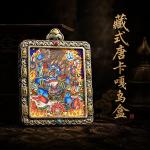
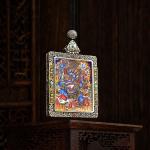
This batch carries six patterns, and there is no need to hunt for the most expensive one. Pick the one you recognise. The two deer and the wheel shows a deer couched on either side of the dharma wheel, taken from the first sermon in the deer park; the gilt group on Tibetan monastery roofs is exactly this. The eight auspicious symbols are the parasol, golden fish, treasure vase, lotus, right-turning conch, endless knot, victory banner and wheel, usually set in a ring. The six-syllable mantra runs its strokes right around the lid, and the cuts have to be deep, because at a small size the letters otherwise run together.
The joined palms, fingertips upward, is the gesture of reverence and request. On a lid only the silhouette survives, and the curve at the heel of the palm has to be kept or it reads as two flat boards. The flame pattern takes the ring of fire around a halo, all tips pointing the same way, layer pressing on layer, and the thing most feared in the cutting is a chipped point. The eight offerings are less familiar: mirror, curd, long-life grass, wood apple, right-turning conch, ox bile, yellow lead and white mustard seed. It is a different set from the eight symbols, and the two get mixed up constantly.
White copper has one clear advantage on a lid: the surface needs height. Dense patterns like the eight symbols or the mantra depend entirely on dark sitting in the recesses, and only after antiquing does the design float up out of the metal. Tilt the lid against the light when you are choosing. If the edges of the pattern look furry or the corners have slumped, the mould is old or was never cleaned up properly. The rim around the lid is the real test of the hand: the thickness must be even, because thin looks cheap and thick looks clumsy.
What goes inside is entirely your business. Dry the inner wall before you close it, since trapped damp will turn the copper green. Do not choose too fine a cord. The box has weight, and a thin cord cuts into the neck. There is no need to open it often; a glance every few months is enough, and too much opening and closing will loosen the lid. Fingerprints should not be wiped off with a sleeve, because the fibres leave fine scratches on polished metal. Press with a lens cloth instead.