


Menu
By theme
By theme




{{ variable.name }} : {{ variable.values[selectedVariantsIndex[variable_index]].name }}
Quantity:
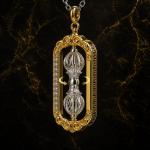
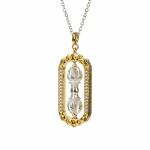
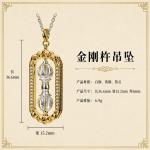
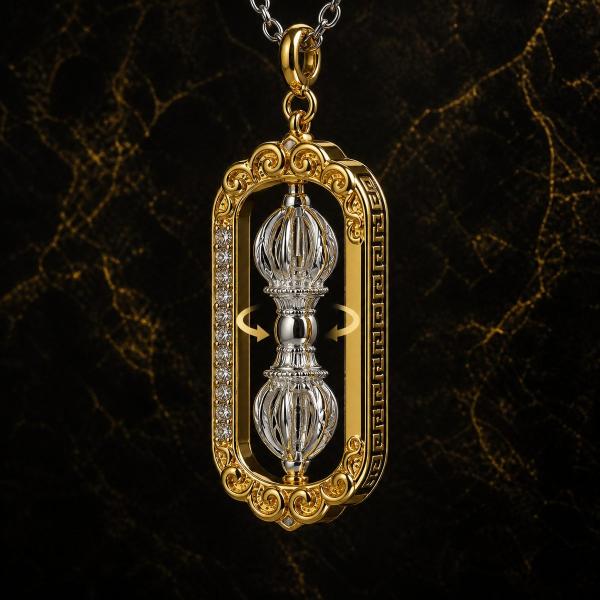
A rotating structure is not common in small metalwork. A pivot sits between the body of the vajra and the hanging ring, so that when you wear it the vajra turns half a revolution as you move. It takes an extra operation: set the pivot loose and the piece wobbles, set it tight and it will not turn at all, and the adjustment is a narrow one. The joint is a copper pin passed through the lugs at either end, with the head of the pin flattened to hold it. The inner diameter of the ring is small, so a thick cord will not pass; check the fit before you choose one.
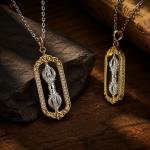
White copper is silver-white in tone and bright without any plating. The patinated version has dark pressed into the hollows with light left on the raised passages; set side by side, the new one looks brisk and the old one settled. The patina sits on the surface, so hard rubbing will take it off and show bright copper beneath. New white copper is cool, and after a month or two against the skin it warms very slightly.
The body narrows at the waist and the ends mirror each other, the prongs opening outward from the centre with the tips drawn slightly in. The weight sits in the middle, so it spins steadily rather than hanging heavy at one end. A parting line runs along the prongs in their direction, invisible unless you look for it. A pin that is too long bears against the ring; too short and the piece comes apart after a few turns.
The spin is the most immediate pleasure of the design — waiting for someone, or staring into space, you will find yourself turning it without thinking. The cost is that dust works into the pivot gap, and once it does the movement stiffens. Keep it away from knitwear, where the pointed ends catch. The tips are drawn in but not sharp, and they meet the skin blunt. Do not use a silver cloth on the patinated version; it will take the dark off and expose the bright copper underneath.
White copper does not mind water; what it minds is sweat left in the seams. Once a week, press a dry cloth around the pivot rather than dripping oil into it, since oil collects dust. If it begins to squeak, the chances are that fine grit has got into the gap: rinse in warm water, blow it dry, and try again. The patinated version is darker, black in the hollows with the copper colour left on the high points; compared side by side, the new piece is brighter and the old one looks like it has been worn for years. Grit is the enemy, so keep it off at the beach or on a building site. Use a thin cord, since a thick one hides the pivot and stops it turning. After rinsing, always blow the water out; trapped moisture turns green. If it stiffens, do not reach for cooking oil — it goes rancid and the smell never washes out.