


Menu
By theme
By theme


{{ variable.name }} : {{ variable.values[selectedVariantsIndex[variable_index]].name }}
Quantity:
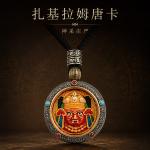
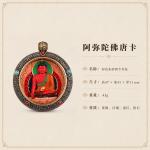
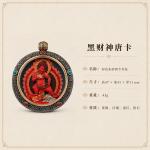
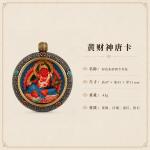
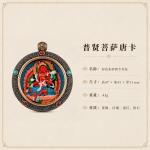
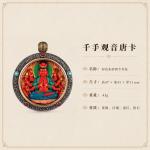
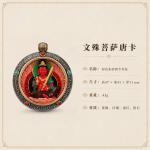
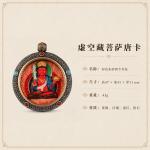
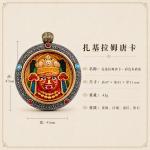
Six thangkas, six figures. Amitabha is the lord of the Western Pure Land, shown in the welcoming aspect, both hands in the meditation mudra supporting a lotus throne. Black Jambhala is one of the five Jambhalas, dark in body, a mongoose in the left hand and a wish-fulfilling jewel in the right. Manjushri holds a sword, the sword that cuts through ignorance, a sutra of transcendent wisdom on a lotus in the left hand, and rides a lion. The three are discussed together because their marks are so clear that once seen they are not forgotten. Black Jambhala is often painted squat and pot-bellied in thangkas, because his office is wealth.
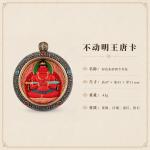
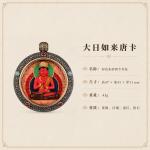
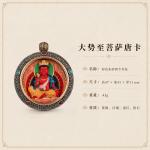
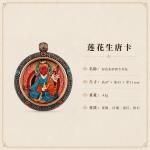
Samantabhadra rides a six-tusked white elephant and usually holds a lotus or a ruyi. Vairocana is the dharmakaya Buddha, hands in the wisdom-fist mudra in the vajradhatu and the dharmadhatu mudra in the garbhadhatu. Padmasambhava wears the red lotus hat and holds a vajra in the right hand, and is the founding master of Tibetan Buddhism. The six belong to two systems and are stocked together because the thangka form strings them on one line. A thangka is painted first and mounted afterwards, painted on cloth with mineral pigments laid on layer after layer. On these boxes only the forms are taken, not the manner of painting.
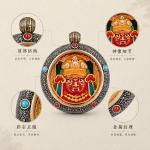
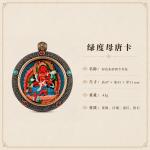
The lid of a gau box is only so large, and the dense background of a thangka cannot be kept, so what is taken is the figure and the halo. Whether the halo is a ring of flame or a ring of lotus depends on the subject: Amitabha more often has the lotus throne and the imagery of the Pure Land, while protector subjects more often have flame. With the background gone, the figure's gestures become the key, and if they are not clear the figure cannot be identified. The figures sit on the pale ground of the white copper with no gilding and no colour, held up by outline alone. All six share one box shape; the subject changes, the border does not.
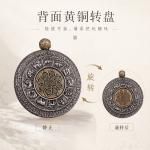
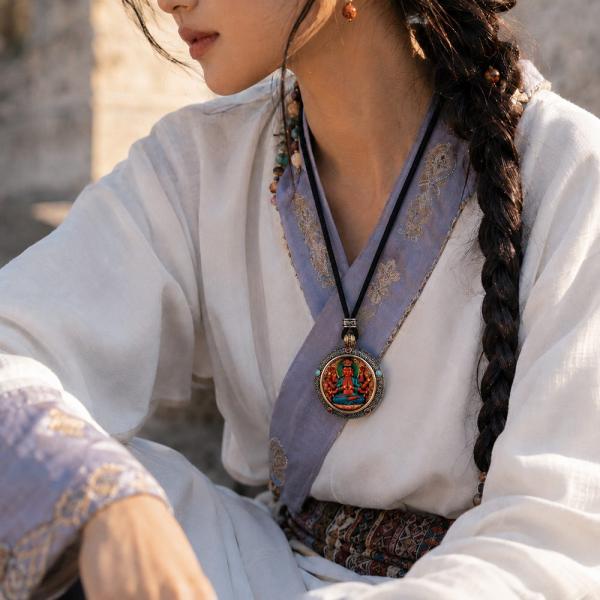
Lid and body must be the same thickness. A wide difference makes it top-heavy, and it hangs sideways at the chest. White copper's cool tone holds down the warmth of a thangka without looking busy. The border is the same on all six, so changing the subject does not change the character of the whole piece. Decide which figure you want before buying; within a batch they are not easy to swap. The white body quarrels with none of them.
Which one to choose is a question of who you have an affinity with, or of who you mean to give the box to. That is not for me to decide. What goes inside is yours as well: a small photograph, a pinch of earth, anything counts. Hold the body when opening and closing rather than the lid alone, or the hinge will loosen over time. If you keep paper inside, open it once every six months; damp gets in through the seam.