


Menu
By theme
By theme



{{ variable.name }} : {{ variable.values[selectedVariantsIndex[variable_index]].name }}
Quantity:
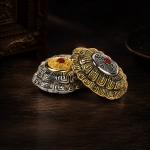
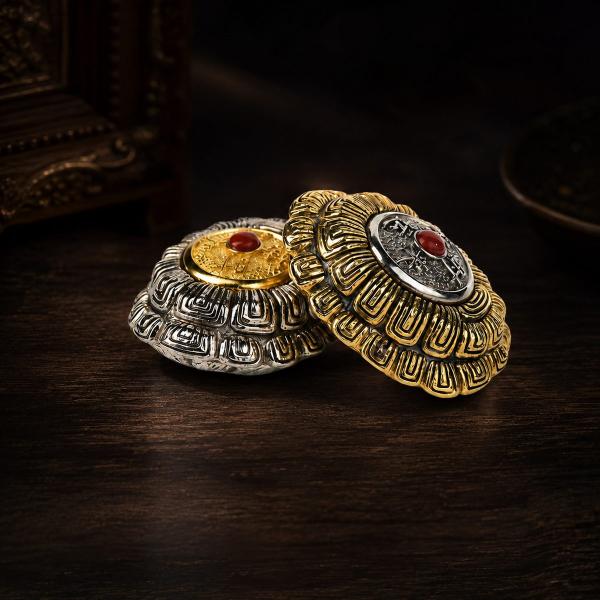
A hand piece is all about how it sits in the hand. The corners should be rounded, with no edge that digs in, and it wants some heft, because something too light is no pleasure to hold. The turtle-shell shape is a familiar line in curios, playing on the sound of fu jia: jia means both a turtle's shell and first class in the old examination rankings. The good wish in the name is plain enough and need not be dressed up in mystical terms; having it on a desk where people can see it is enough. What matters in a turtle shell is the curve of the back. Too steep and it will not sit in the hand, too flat and it stops reading as a turtle.
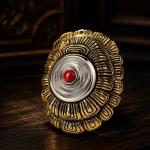
The turtle held a respectable place among old objects. Han dynasty seals were often given turtle knobs, Tang officials wore turtle-shaped ornaments on their belts, and turtle tallies and turtle bags were both part of the official system. Shell patterns divide into the upper shell and the plastron, and the old books pressed the count of thirteen upper plates and twelve belly plates into service as a correspondence with the earthly branches and the months. The shell on a hand piece usually takes a section of the upper shell, raising a ridge down the middle with scutes to either side; the ridge has to run unbroken, because a break loses the whole.
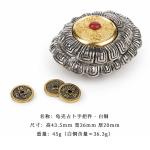
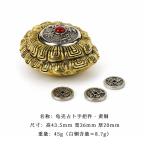
Two colours, white and yellow, the yellow close to the warm tone of old copper, the white cooler and harder. Copper that is not lacquered darkens with sweat, moving towards a chestnut-shell brown over months of handling. That change is part of the pleasure of copper and there is no need to polish it back to the colour it left the workshop with. Handling it with clean hands does more than oiling: oil looks good for an evening, then turns tacky, gathers dust in the crevices and gets dirtier the more you wipe at it.
Fit in the hand comes first. Too big and you cannot hold it, too small and it has no weight; trying one in person is best, and if you buy online, compare the size against a lighter or a walnut you already carry. If it is only ever going to be an ornament, a corner of a desk or a tea table is enough — no need to set it up as an altar, and no need for a red cloth underneath. Guests picking it up to look at it is exactly what such an object is for. The weight in the palm depends on how thick the casting is: thick walls feel substantial, thin walls feel hollow, and you know the moment you lift it.
Whether the hollow of the shell faces up or down is a matter of habit. Facing up, you see the pattern; facing down, it sits closer to the palm, and people use it both ways. As a paperweight on a desk, put the flat side down, which is steadier and less likely to roll. Copper knocked against a wooden desk leaves marks, so a piece of felt underneath saves the furniture. If it is going to go unhandled for a long time, wrap it in a soft cloth and keep it out of direct sun.