


Menu
By theme
By theme


{{ variable.name }} : {{ variable.values[selectedVariantsIndex[variable_index]].name }}
Quantity:
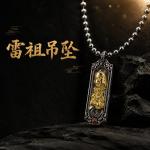
The Thunder Ancestor is the highest deity of the Daoist thunder department, styled in full the Celestial Worthy of Universal Transformation through the Thunderclap, Sovereign of the Nine Heavens. Daoist texts place him above the nine heavens, in charge of thunder and its ordinances, rewarding good and punishing wrong. Thunder rites flourished from the Song dynasty onward, and a priest working them would invoke this worthy before opening the altar, which spread his worship widely. The thunder department is a large pantheon, with the Thunder Duke, Mother Lightning, Count Wind and Master Rain beneath it, and the Thunder Ancestor holds the seat at its head.
His scripture is the Jade Pivot Precious Scripture of the Celestial Worthy of Universal Transformation through the Thunderclap, Sovereign of the Nine Heavens, usually shortened to the Jade Pivot Scripture. It is not long, and it sets out the worthy's teaching to sentient beings on the meaning of thunder's universal reach. His ten-character holy name, known in folk use as the Ten-Character Heavenly Scripture, is recited by many people because it asks far less of the reader than the whole text. The scripture holds that thunder is not the sky losing its temper but a sound thrown up by the two breaths of yin and yang, which goes a layer deeper than simply being afraid of it.
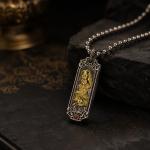
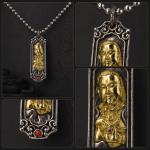
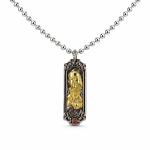
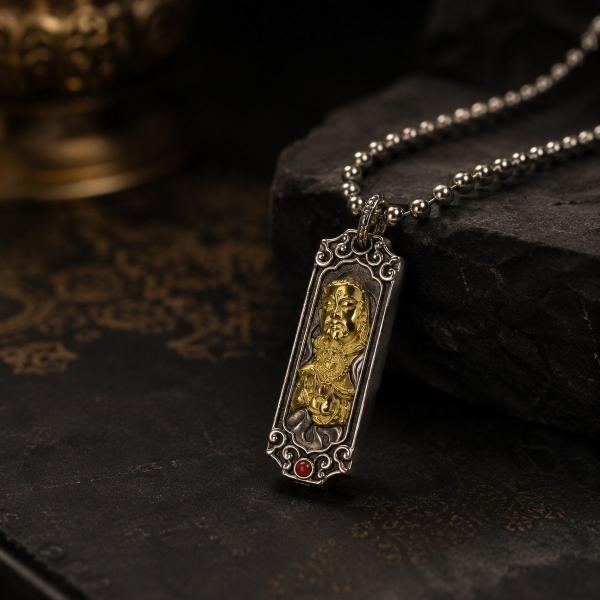
Shrunk to pendant size, a deity keeps only its outline. If the crown, the beard and the gesture of the hands are not clearly stated, at a distance it is just a raised patch of silver. The crown tells you rank, the beard tells you age, the hands tell you what he is doing; lose one and the figure collapses into an old man in a robe. Seated images mostly form mudras with the hands, standing ones mostly hold objects, and the set of the wrist is enough to tell which tradition you are looking at.
In silver relief the face is the hardest part. Press the brows too deep and he looks fierce, too shallow and the presence goes; that narrow middle ground is found by hand, trial by trial. The folds of the robe can be cut freely, and a broken line here or there still reads; the face cannot, and one blurred passage spoils the piece. The back is levelled, so the side against the chest neither slips nor digs in. Polish the face last: bring up the robe first, then return to the eyes and brows, because the other order rubs the fine passages away.
A subject like this does not need daily wear. Put it on with something formal, for a temple visit or a family occasion, and it suits its character better than never coming off. Silver darkens with sweat, especially in summer; press it with a soft cloth when you get home rather than waiting until it has gone black. Hang it up when it is not being worn, and do not throw it in a drawer with your keys, because a chipped corner cannot be put back.