


Menu
By theme
By theme


{{ variable.name }} : {{ variable.values[selectedVariantsIndex[variable_index]].name }}
Quantity:
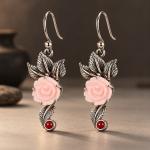
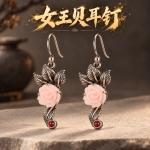
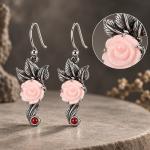
Queen conch shell is the shell layer of the queen conch, taken from the inner wall; polished, it shows a pink to orange gradient with flame-like patterning. It is not pearl and not coral — it is shell itself. Every piece differs in how the colour falls, some pinker, some more orange, and the direction of the pattern follows the curve of the shell, so it has to be cut along the grain; cut against it and the pattern breaks. Dyed shell is also sold, with the colour sitting on the surface, most visible at the edges and corners. The shell is large but there is not much usable material in it, and most of the edges and corners are wasted.
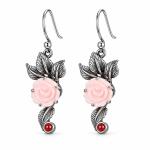
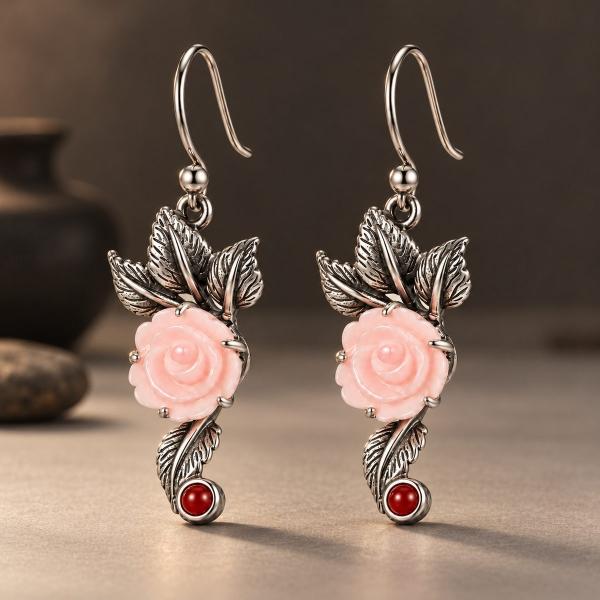
The rose is built from layers curling inward. The outer petals open, the inner ones tighten, and the centre petal wraps into a small roll. The petal edges must be thin to let light through, the base thick enough to stand. With shell inlay the thing to fear is chipping at the edge: filing has to go slowly, a little at a time — hurry and a piece comes off that cannot be replaced. The centre of the rose is the hardest part; rolled too tight it looks like a bud, too loose and it falls apart. The inward-curling petal is the thinnest, and file it too far and no light comes through.
Two versions, one with American turquoise, one with South Red agate. The turquoise is blue-green and clashes cleanly against the shell's pink-orange, cool against warm; the South Red is red and sits on the same warm side as the shell, which reads more smoothly. Choose the first for more contrast, the second for more calm; neither is better. The turquoise usually carries iron line in its blue-green, the South Red usually cinnabar flecks in its red. The two versions cost the same; it is only a choice of colour.
Studs are less trouble than drops: they do not swing and they do not catch hair. The post needs to be long enough — on a thick lobe a short post pinches. The pad has to be flat; if it is not, the shell takes uneven pressure and cracks in time. That detail matters more than the pattern, so turn the earring over and look at the back when you buy. The pad should sit against the lobe; lifted, it presses painfully. A threaded post holds better than a plain one and is less likely to be lost.
Shell dislikes acid, perfume, sweat and washing-up liquid; what lands on it dulls the surface, and once dulled it does not come back. Put the earrings on after make-up, and take them off before a shower. Wipe with a dry soft cloth rather than rinsing: water seeps between the layers of the shell. No ultrasonic cleaning for shell — vibration loosens the layers from one another.