


Menu
By theme
By theme


{{ variable.name }} : {{ variable.values[selectedVariantsIndex[variable_index]].name }}
Quantity:
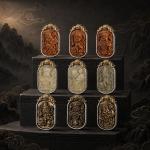
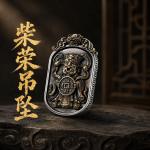
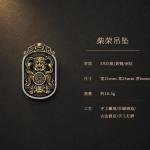
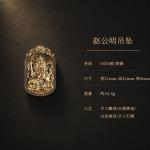
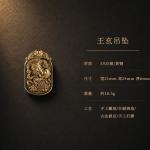
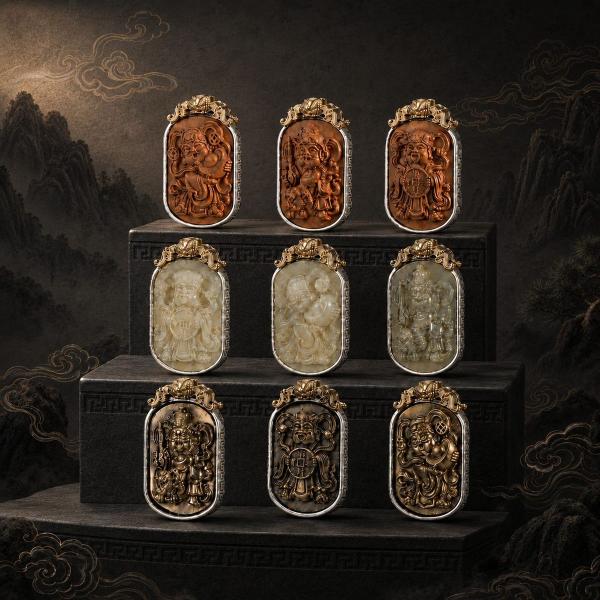
Three names sit in one listing, and they come from different places. Zhao Gongming is the martial God of Wealth in Daoism, Marshal of the Xuandan Altar, black-faced and thick-bearded, riding a black tiger and holding an iron whip. Chai Rong is Emperor Shizong of the Later Zhou, called Prince Chai in folk usage; stories have him pushing a barrow and selling umbrellas in his early years, travelling the roads, and merchants took him as one of their own. Wang Hai is an ancestor lord of the Shang people, whom later merchants claimed as their patron. Three names together collect one of each origin in the wealth pantheon: the Daoist, the imperial, the trade.
Wang Hai’s deeds are few but his weight is not small. Oracle bone inscriptions carry divinations addressed to Gaozu Hai, and the Shang kings sacrificed to him at a high level, which shows how early a forefather he was in their memory. The Lost Book of Origins records that Hai made the ox serve, that is, tamed cattle to pull a cart; an ox cart carries a load, and only then does trade travel far. Merchants honour him for that layer of things, not for any wealth of his own.
Chai Rong’s folk stories travel further than the histories do. Pushing a barrow, selling umbrellas, working the wharves: small trades, all of them, and storytellers loved them because the audience lived the same way. He later became emperor under the reign name Xiande and reformed the coinage and the waterworks, and those things are seldom mentioned. The God of Wealth is a title ordinary people gave him out of their own experience. Who you choose is mostly a matter of which face you like, and of which one the household already honours. Customs differ between north and south, and it isn’t my place to rank them.
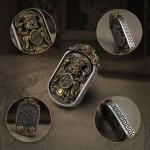
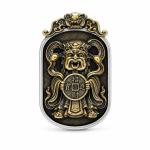
The copper coin is round with a square hole, a shape in use for two thousand years. The square hole let coins be strung together and also held them steady while the edges were filed. The characters on a coin are usually a reign title; on a pendant they are normally auspicious phrases such as may wealth arrive or all under heaven at peace, and the piece is not real money. This is where charm coins come from: never circulated, only hung.
The hardest part of a figure pendant is the face. Each of the three has his own implements and headgear, and a small piece can keep only the outline: Zhao Gongming’s whip, Chai Rong’s cart, Wang Hai’s ox. You recognize them by these attributes, not by the features. Read the options before buying. The three are different pieces, not one piece in different packaging, and a wrong send means a round trip. A silver pendant hangs at the chest with the face outward, so don’t let a collar tip it over.