


Menu
By theme
By theme


{{ variable.name }} : {{ variable.values[selectedVariantsIndex[variable_index]].name }}
Quantity:
A lighter is a working object, and putting relief on the case gives it a second identity. Early lighters were mostly plain, then someone chased a pattern into a lid and the habit spread, through brass cases, silver cases, enamel. By now a relief lighter is a category of its own: collectors look at the case, users look at the flame, and the two audiences judge the same object by different standards. The wick is cotton, and the fuel rises through it, which is what steadies the burn. A copper case is heavier than a steel one, and the weight in the hand is why some people insist on copper and will not carry anything else.
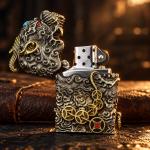
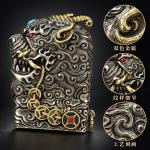
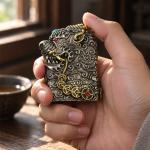
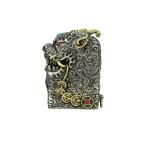
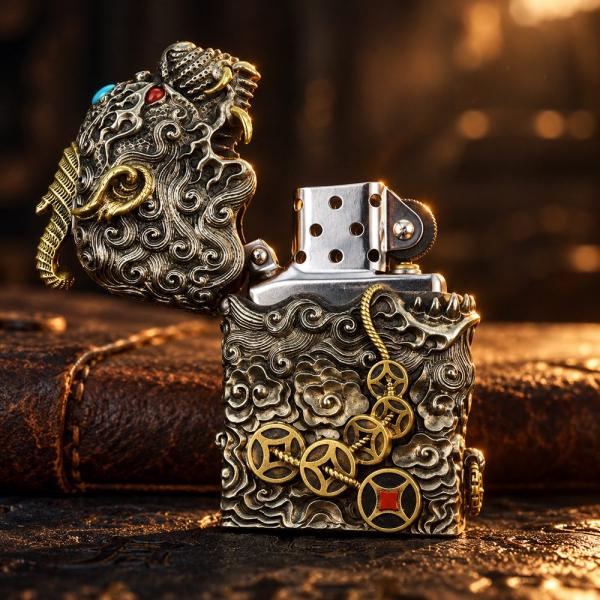
This one has a metal case with a pixiu in relief on the front, the beast crouched with its head toward the hinge. The spine is cut deep enough that a finger can count the vertebrae one by one. The back is plain apart from a line of small text at the base, which needs a close look to read. The lid opens with a dull click, which is down to the lighter being new and will sharpen with use. The hinge takes the most strain of any part; opened and shut often enough it loosens, so do not hold the lid and swing the body by it.
Relief work has one predictable weakness: the raised parts wear first. Carried in a trouser pocket against keys and coins, the bridge of the pixiu's nose will flatten within a few months, and no polish brings it back. To keep the pattern, use a leather sleeve or give the lighter a pocket to itself. Choose a thin sleeve, since a thick one is awkward to draw from and you will stop using it, which defeats the purpose. Dust settles in the recesses, so brush it out with a soft brush rather than picking with a needle, which leaves a white line every time.
A lighter is a consumable, even when it is filed under curios. One fill lasts a while; the wick blackens, the flint shortens, and both have to be replaced in time. Ask about the specification of the parts when you buy, which matters more in the long run than the pattern on the case. Parts of the wrong size will not fit, and then the finest case is a lump of metal that will not light. Do not fill it to the brim; eight-tenths is right, or fuel seeps out at the seams and marks your pocket. A flint gives warning before it goes, in the sparks coming weaker.
Copper cases oxidise, and on a heavy-handed sweater a month is enough to show the colour deepening, most of all in the recesses of the relief. Some people like that and call it worked in; those who do not should wipe with a soft cloth and skip the polishing compound, which flattens the pattern a little more each time. The dark in the recesses should stay, because that is what holds the modelling together. The corners of the case take knocks most easily, and a knock shows the pale metal underneath.