


Menu
By theme
By theme



{{ variable.name }} : {{ variable.values[selectedVariantsIndex[variable_index]].name }}
Quantity:
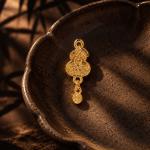
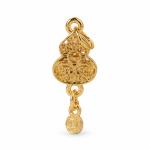
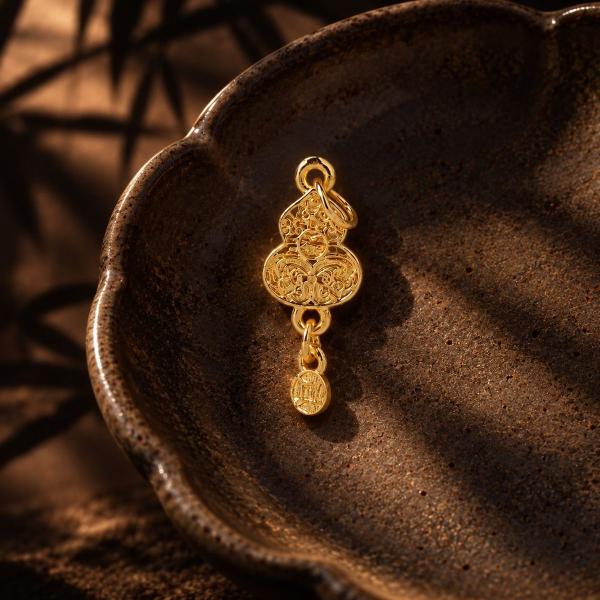
Holes are cut through the body of the gourd so that light passes. They are not placed at random: each is cut in the shape of a coin, set one after another over the surface, with a hairline of copper left between them like a net. The waist is drawn in tight, and the openings there are small; toward the base they open out again. The small loop at the top is left solid because that is where the strain goes. The mouth of the gourd is solid as well — the openings are cut in the neck, and the cord passes through the neck rather than the mouth.
Openwork is one of the expensive operations in copper. The holes are drilled to the drawing first, then a fine saw blade is run through, the edges are filed, and a sand stick rounds the inside. The hairline of copper left between two holes is the test of a steady hand: a little wide and it looks clumsy, a little narrow and it breaks at a touch. An openwork piece is lighter than a solid one and crushes more easily. It cannot be cast as it stands; it is cast solid and then hollowed out opening by opening, working from the back so that the front does not chip.
A gourd stands for fortune and rank, a coin for wealth, and laid over each other the folk reading is both at once, with money coming without end. This habit of stacking meanings is common on old hanging pieces, curtain hooks and lock plates: several auspicious things put together, and the denser the arrangement the more festive it looks. Whether it is handsome is a separate question; the meanings have to come out complete. The waist is pinched too tightly to cut, and that band is what separates the upper and lower halves.
It hangs better on a bag than on a mala. A gourd has volume and would press into the hand on a strand; on a zip pull or a handle, the openwork lets the colour of the bag show through, which is the pleasure of it. Against a dark bag the openings read clearly; against a pale one only the outline is left. Use a thin cord so the fixing point does not look clumsy. Hung from a handle it turns as you walk, and the shadows of the holes fall across the surface of the bag.
The edges of openwork are thin and will collapse under a press. Do not stuff it into a bag with hard objects or hang it where a door can catch it. It cannot be soaked clean: water enters the openings and cannot get out, and the copper turns green. Brush it dry with a soft brush and blow the dust out of the holes. Once it is bent out of shape it cannot really be put right — bend it back and it is still crooked. The hairline between two openings, once broken, takes away a rib, and the rest will follow.