


Menu
By theme
By theme





{{ variable.name }} : {{ variable.values[selectedVariantsIndex[variable_index]].name }}
Quantity:
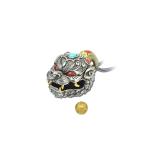
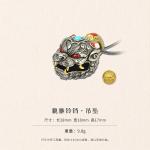
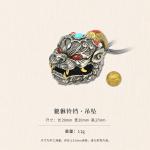
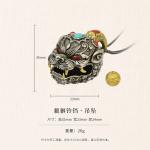
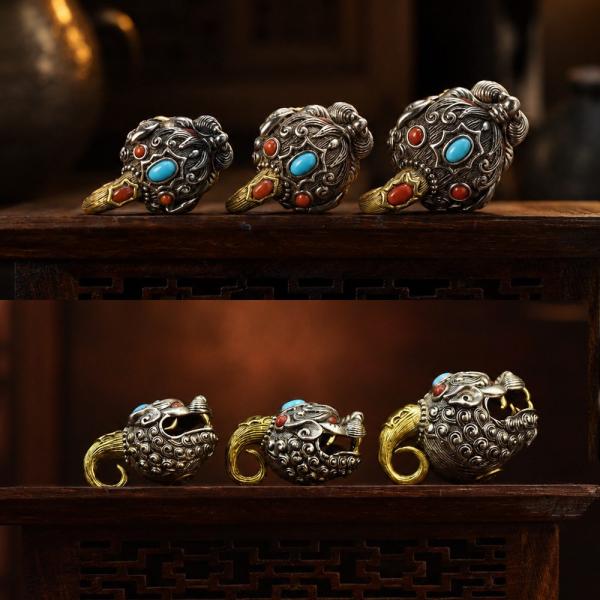
The bell is made in the shape of a pixiu's head, the mouth serving as the bell mouth, with a clapper inside that sounds at a shake. The note is not bright; it is on the dull side, and the thickness of the copper shell decides the timbre — a heavier wall gives a lower sound, a thin one a sharper note. The head is hollow with an even wall; tap it and you can hear whether there are blowholes, which make the note rasp. A ring of teeth surrounds the bell mouth, and space is left around the clapper for the sound to come out. The rim of the mouth is rounded, so it does not press on skin, and it will not scratch if you sleep with it on.
Legend gives the pixiu a mouth and no anus, so what it eats does not leave, and folk take it as a beast that gathers wealth. The bell has another line of use among old objects: to sound, to startle — door bells and the bells on livestock work on that principle. Put the two together on one piece and half of it is the wealth wish and half is the noise. Sayings are sayings; do not take it as something that actually wards anything off. Older people hung a bell behind the door, saying that when you heard it you knew someone had come, and what they wanted was to know where they stood.
Three sizes, small, medium and large; the difference is overall dimension, and the note changes with it. The small one goes on a bag or a keyring without being a nuisance; the medium suits the neck, sounding twice as you walk, not loud; the large is for behind a door or in a car, where the sound carries. Each size has its own clapper, so do not swap them about — a swapped clapper sounds wrong. Shake them one by one when choosing and take the one that sounds right to you. All three have the hole at the top of the head; the cord passes through it and knots off, and the knot hides behind the head. On the neck, use a longer cord so the bell falls at the centre of the chest and rings evenly as you walk.
The clapper rubbing the wall of the bell will polish a bright ring there; that is unavoidable. Do not drip oil inside; oil collects dust, and oiled dust muffles the note. The copper shell does not like being dropped: a dent scatters the sound, so put it down on the table rather than on the edge. In a car in summer the metal gets hot in the sun, so do not let a child play with it. A white copper shell dulls with long wear; the note does not change, it simply stops being as bright as new.
A white copper shell will carry a little burr at the rim. Feel round the bell mouth when it arrives, and take fine abrasive paper to any burr — not a file, which cuts copper fast and leaves a pit at every pass. The clapper is a separate piece and does not jam as it swings; if it does jam, take it out, straighten it and put it back. Do not force it, because once it is bent out of shape the note changes. Dust inside the shell muffles the sound: take the clapper out, blow through, and put it back.