


Menu
By theme
By theme





{{ variable.name }} : {{ variable.values[selectedVariantsIndex[variable_index]].name }}
Quantity:
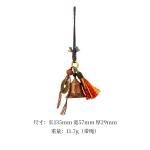
Half the usefulness of a bell charm is its sound. A metal shell with wooden fittings gives a note that is duller and shorter than all metal, and it does not intrude. Hanging from a bag, it makes a small noise as you walk, far more restrained than the bright little brass bells. In an office or on the subway, that sound will not turn heads. Shake a bell before buying it: how the note carries tells you more than the pattern on the shell.
Choose the wood on two things, grain and oil. The grain should run straight, because wood worked against the grain fuzzes. A well-oiled wood feels warm in the hand and is less inclined to split. Wood against white copper sets a warm thing beside a cold one, and the colour contrast makes it look softer than an all-metal piece. Wood dislikes water, so push the charm up your wrist when you wash your hands and do not let water run down the cord into it. Splits usually start at the end grain; if the end is lacquered you will not see one, so feel for any unevenness.
The white copper is mostly the shell and the ring. The thickness of the wall sets the note: thick sounds low, thin sounds sharp. Cast shells often carry a parting line; on a polished one you cannot feel it, on an unpolished one it scratches, and running a thumb around the mouth will tell you which you have. A rolled mouth sounds duller still, which is a matter of how it was made. A ground mouth has a round edge that does not press into the skin. An antiqued shell sounds a little lower than a bright one, because of the oxide layer.
The charm does not mind where it goes. Bag, keys, cabinet door, curtain tie-back. On a curtain, watch the weight, since a heavy charm drags the tie out of line; on a bag, check the ring against the D-ring, because a ring that is too small will not pass through it. On a keyring the bell knocks against the keys and the face dulls quickly, so do not hang it there if that bothers you. On a cabinet door it will sound every time the door closes, which is worth thinking about at night. A dirty cord can be washed, but it will shrink, so leave slack in the knot.
The point of giving this object is the noise. Moving house, opening a shop, having a child — all have a habit of bells attached, for the sound and the good news in it. Do not call it a ritual implement. Bells have specific religious uses, and an everyday charm is an everyday charm; mixing the two is not becoming. If the recipient thinks it too quiet, say that it was made to be quiet, and the matter passes. Cotton cord is best for a bell: soft, and it does not wear the mouth of the shell.