


Menu
By theme
By theme





{{ variable.name }} : {{ variable.values[selectedVariantsIndex[variable_index]].name }}
Quantity:
There is an old practice: before a long journey, or when a child cries out at night, an elder sews a small red cloth bag, puts seven grains of white rice in it, and pins it inside the lapel. Seven is a complete cycle in folk custom — seven days to the week, seven stars in the Dipper — and things are made in sevens. Rice heads the five grains, so a bag of rice is a bag of provisions, and the point is not going hungry. The seam faces inward so the rice cannot fall out; the old people remember these details better than the young.
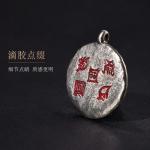
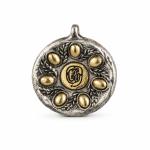
Made into a pendant, the grains shrink into a few raised facets set on a geometric base plate. The geometry is a modern treatment: a lozenge, a hexagon, a square with cut corners, all tidier than a round plaque, and a man can wear one without it reading as feminine. The facets need to differ in height; all at the same level looks like a biscuit from a mold and the light falls flat. Keep the base plate thin — thick, it reads as a mahjong tile and sits badly on the chest.
The fewer the faces on a brass piece, the harder it is. A curved face can be polished by following it round, but where flat planes meet there must be a clean edge, and an edge off true makes the whole plaque lean. Geometry lives or dies on its edges, not its faces. The edge also needs a small chamfer: too sharp and it cuts, too much and it blurs, and that measure is all in the maker’s hand. There is a way to test a casting: drag a fingernail across the edge, and if it runs smooth the edge is good.
Size depends on the shape. A form with many cut corners looks smaller than a round plaque of the same area, so it sits lightly on a thin neck. Choose a thin chain; a heavy chain under a small plaque is top-heavy. Black cord is the safest, brown will do, and red pushes the brass yellower. If the plaque is worked on both faces, thread from the hole at the top, or the back comes up blank. Chamfer the hole so the cord can turn inside without fraying — a detail usually forgotten.
This kind of piece resists a symbolic reading, so talk about the making instead. When a customer asks what the seven grains mean, tell the old red-bag practice and leave wealth out of it. Younger men buy most of them, take one on a plain cord and go; plenty change the cord themselves later, so the hole is left big enough for a thick one, which matters more than looks. Brass oxidises and goes dull over a summer; a cloth brings it back, and oil is unnecessary. Set the hole slightly back from the top so the plaque lies on the chest instead of flipping to either side.