


Menu
By theme
By theme

{{ variable.name }} : {{ variable.values[selectedVariantsIndex[variable_index]].name }}
Quantity:
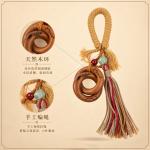
Lightning-struck wood is timber from a tree that lightning has hit. In Daoism the passing of the lightning fire is held to clear the wood of stray influence, which makes it the best material for ritual implements. Jujube is a hardwood besides, and the two together push the price up. In some old northern yards a struck jujube stump is still standing, and the family cannot bring itself to burn it. Jujube is stable in the wood and holds its shape once dry, and old carvers of small pieces prefer it. New stock smells of green wood, and only time takes that off.
Jujube actually struck by lightning and still alive is rare. What is sold as lightning-struck jujube is mostly old jujube that died on its own, or wood that has been treated. Buyers should know this: the name describes a category of material, not a certificate. Certificates exist; I do not make them. Some people scorch the wood with a flame and then colour it, and that black sits on the surface and wipes off, quite unlike the char of a real strike.
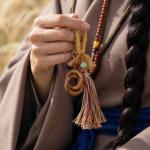
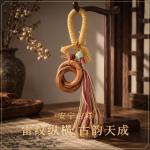
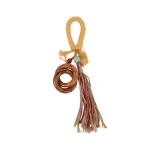
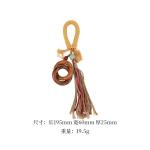
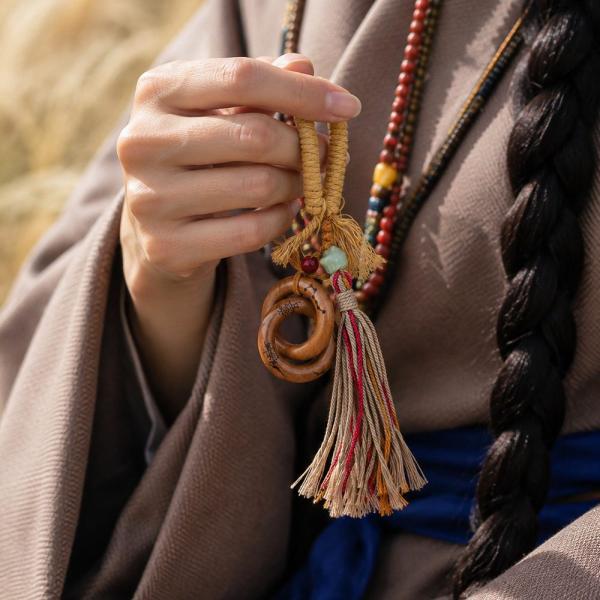
The Qiankun ring is a single circle. A wooden ring has to be cut from one block, never joined, because a join breaks where the stress runs. Cutting it out wastes wood — the stock for one ring would make several plaques — so a wooden ring costs more than a wooden plaque, and that is material, not labour. The inside has to be sanded smooth; wood, unlike copper, raises fibres that catch on clothing. The cutting tool follows the grain, and against the grain it tears.
A wooden ring goes in a car or behind a door, never somewhere damp. Jujube is oily enough not to fear dryness; what it fears is dry at one end and damp at the other, which splits it along the grain. If it splits, do not flood it with glue — dried glue widens the crack. Fill it with beeswax and keep it in the shade. In a heated room in winter, keep it away from the draught. Use a cotton cord; nylon goes brittle after two years in the sun and snaps at a pull. Air it after the plum rains instead of leaving it shut in a bag.
Selling this calls for honesty. If a customer asks whether it was really struck, give the actual provenance and do not invent a story about a temple. People who care about the material buy it anyway; people who do not can buy it for the shape. The virtue of a wooden ring is that it is not cold in the hand, even in winter, which is a comfort metal cannot give. A small diameter hangs on a bag, a large one in a car; too large and it should not go round the neck, where it drags. It is light, too, and does not pull a neckline out of shape the way a copper ring does.