


Menu
By theme
By theme

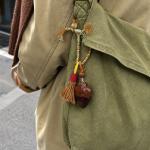
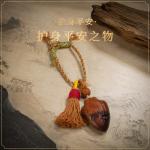
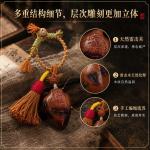
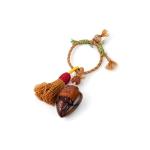
{{ variable.name }} : {{ variable.values[selectedVariantsIndex[variable_index]].name }}
Quantity:
The word “themed” in the name says it is made to look like lightning-struck wood, not that it is lightning-struck wood. Cast in white copper, with wood grain, scorch marks and splits worked into the surface, it looks at a distance like a piece of old burnt timber. That is better said at the start than argued over later. An honest name sells better anyway; the customer does not have to guess. The price of copper is public, and anyone can work it out.
Faking wood grain is harder than cutting the real thing. Real grain follows the growth of the tree, with a main figure and branches, and rings curving where the trunk turned. Cast grain that runs in parallel lines is false at a glance. A good mold leaves a few breaks in the grain on purpose, like places where the wood split itself. Direction matters too: vertical reads as a trunk, horizontal as a plank, and fittings mostly use vertical. A mold wears blunt with use, and later batches do not have the crispness of the first.
The scorch colour comes from chemical colouring, not from burning. The depth has to move in steps — black to brown to the colour of the copper, one over the next. Coloured dead black all through, it looks like a scorched sheet of iron rather than wood. A coloured piece fears abrasion: rub an edge and the copper shows, and over time it goes patchy, though patchy has its own appeal. The work itself fears sweaty hands, so gloves go on for it; smear it and the colour cannot be evened out.
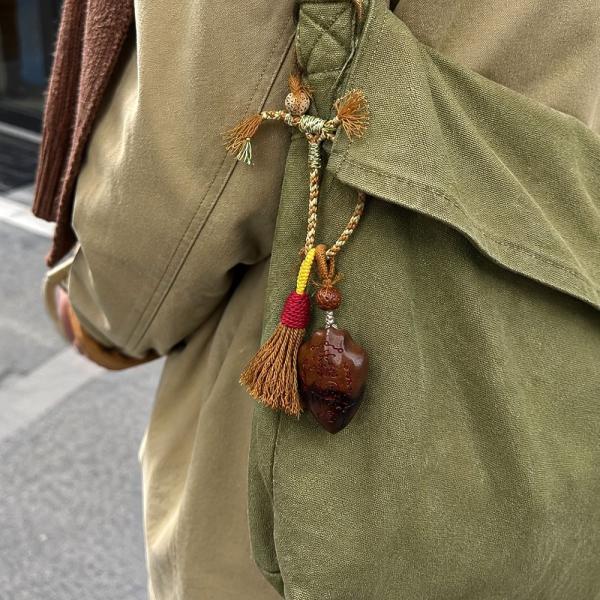
A DIY hanging charm needs its holes planned for. Some use it as a back bead, some hang it on a bag, and some take it apart to stand on a desk. Drill on the centre line at the top and it hangs straight; off-centre, and no adjustment will fix it. Chamfer the hole so the cord is not cut. Hung from the side it will turn as it hangs, and turning wears the cord through. Keep the small pieces when you dismantle one; a copper edge will cut a hand.
Selling this means saying plainly: copper, imitation wood grain, not wood. Some customers want the look of wood without the upkeep, and this suits them exactly — wipe it when dirty, no fear of water, no fear of insects. Those who want real wood have the other counter, and pointing is enough. Margins on this kind are thin and it moves by volume, so put out a basket and let people pick, which is faster than introducing them one at a time. Some pair it with a real wooden strand, one copper and one wood, and the two do not fight. Copper does not take falls: one drop and the edges round off, and rounded off it loses that dead-wood tension.