


Menu
By theme
By theme

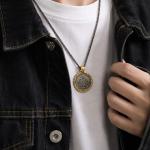
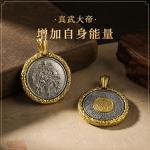
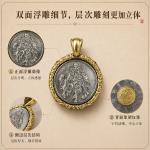
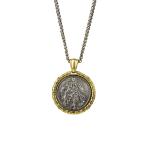
{{ variable.name }} : {{ variable.values[selectedVariantsIndex[variable_index]].name }}
Quantity:
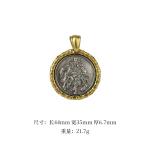
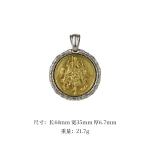
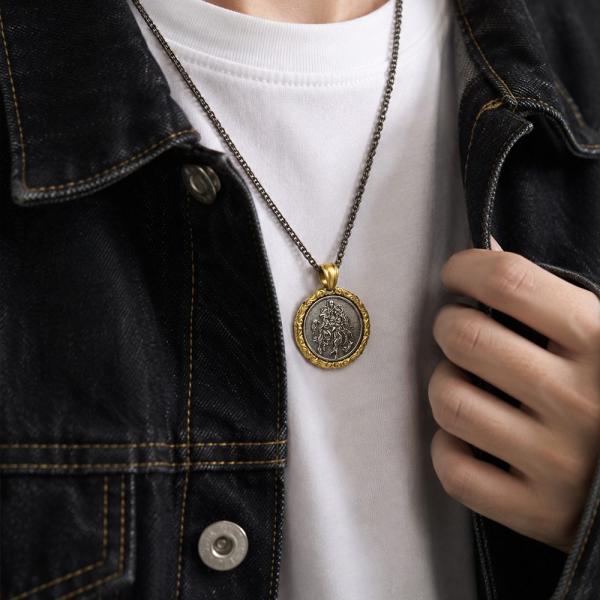
The title and the options on this listing are not the same deity. The title says “Zhenwu Emperor riding,” while the options are specifications for the Heavenly Worthy of Thunder, the Nine Heavens Responding Prime, in both gold and silver finishes. The two hold different places in Daoism, and selling them mixed together invites trouble. Ask the service desk which one you will receive before ordering; that is easier than explaining afterwards. A title naming one and options naming another is a copy-paste fault from listing, and the goods are right while the name is wrong.
Zhenwu is the god of the north, originally Xuanwu, and a tortoise and snake intertwined are his mark. His images generally have loose hair, black robes, feet on tortoise and snake, one hand pressing a sword, the face long and thin, the eyes cast down. Incense burns strongest around Wudang in Hubei, where the temples on the mountain take him as principal deity — a situation built over centuries, not the business of one place or two. Zhenwu’s images mostly do not smile; the corners of the mouth press down. That severity is deliberate, not a carving fault.
The Heavenly Worthy of Thunder is the highest god of the thunder department, and Daoism has a scripture devoted to him which calls him master of the thunder administration under heaven, rewarding good and punishing evil. His title is long, and where it will not fit on a plaque only the two characters for Thunder Ancestor are taken. His images differ widely from Zhenwu’s: know the face and the mount before buying, and do not take any figure in a black robe for the same god. Thunder Ancestor plaques often carry cloud-and-thunder patterns, ring inside ring, which is a different language from Zhenwu’s tortoise and snake.
Carving a mounted figure onto one plaque means two layers: the person above, the beast below, and the person cannot be pressed too low nor the beast fill the whole face. The beast’s legs are what blur most; in relief, four legs often merge into two. The edge of high relief has to be rounded, or the plaque will not stand and will tip over on a table. The four legs of the mount should land on the lower edge of the plaque; float them and the whole piece looks unmoored.
This subject sits on the devotional side, and a gift needs some thought about what the recipient minds. A non-believer can still take it as a piece of copper sculpture — the folds and ribbons are what there is to look at in white copper. I do not write about protection or efficacy; to write that would be making promises on a god’s behalf, and that is not mine to do. Folk sources mostly put Zhenwu’s birthday on the third of the third month, not the same everywhere, so ask before giving. Customers ask which of the two is more efficacious. I cannot answer that; deities are not graded by function.