


Menu
By theme
By theme

{{ variable.name }} : {{ variable.values[selectedVariantsIndex[variable_index]].name }}
Quantity:
Finger citron carries two meanings that get mixed. One is the hand gesture of a Buddha, the other is the fruit itself: yellow peel, splitting at the tip into fingers like a half-open hand. The “Buddha hand” in carving is usually the fruit, on a pun — finger citron sounds like fortune and long life — and it appears in display pieces, jade and wood carving alike. In the south the fruit is kept as a pure offering on a desk, scenting the whole room. The number of fingers varies, five at most, two or three at least. A pure offering is for looking at: thick peel, little flesh, and nobody eats it.
There are a few basic hand gestures: the gesture of fearlessness, palm out and raised, meaning reassurance; the gesture of granting wishes, palm down and outward, meaning giving; the gesture of meditation, hands stacked in the lap; the earth-touching gesture, one hand dropping to the ground. If the plaque shows a hand, the finger position tells you which. Hand gestures have strict positions on a full image; a hand on a plaque is usually a detail lifted out, not following the rules for a whole figure.
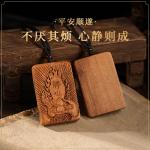
The two characters for “quiet mind” are not from any scripture; they are a desk phrase later ages liked to write. There is also the saying that a quiet mind is cool of itself, of uncertain origin, sometimes on people’s lips and sometimes carved on a bamboo slip. Paired with the finger citron, the words work by sense, not by allusion, so do not push them toward scripture. Calligraphers like writing these two characters, and in a good hand the calm sits in the strokes — a different thing from the relief on a plaque.
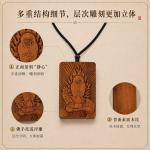
Fingers are the hardest part of relief. Five have to differ in weight, the gaps have to stay open, and one finger cut shallow fuses the lot. White copper will cast to that fineness, but polishing is where the danger is: polish into a gap and the gap flattens and the hand becomes a slab. Count the fingers when you inspect; if they count, the work is there. The knuckles must swell or it is not a hand, it is a rake. The nail has to be pressed in; leave it up and you get a round tip.
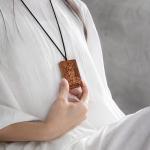
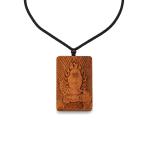
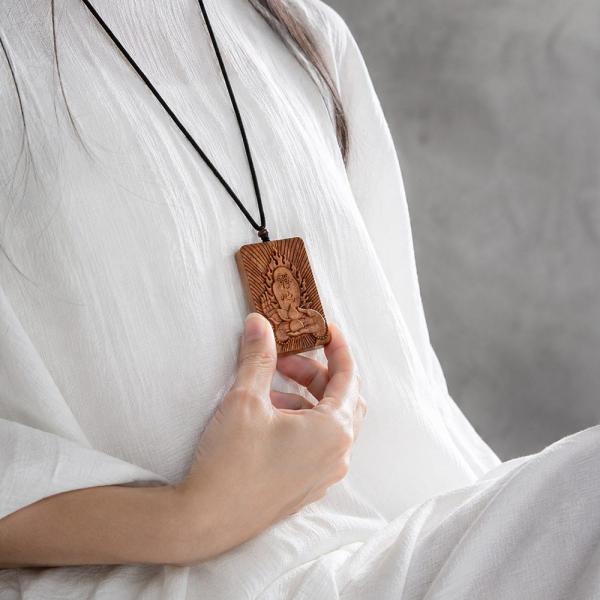
The face is plain, so a plain cord suits it best and a patterned one competes. Good for an elder, and good for a designer or a writer: things on a desk, looked at long enough, do slow a person down, and there is nothing mystical in saying so. As for blessing or opening wisdom, I do not write that. When someone asks whether it works, I say: it cannot manage your affairs, it can manage the two glances you give it. Some customers put it on a tea tray, never worn, as a small display object.