


Menu
By theme
By theme


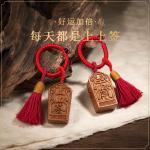
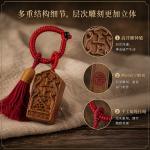
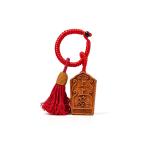
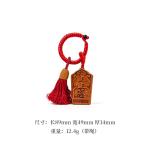
{{ variable.name }} : {{ variable.values[selectedVariantsIndex[variable_index]].name }}
Quantity:
Divination slips are graded, and the top grade is the highest. Slip sets differ from place to place: some have nine grades, some only three, and the number of top slips varies, in some tubes only a few. Drawing a top slip is a good omen, but the slip text is usually a poem, and whether it can be read depends on the reader. Each place cuts its own set, so the same top slip can carry very different words in two temples. Even the order of shaking the tube differs.
Zhong Kui with a top slip is a folk mash-up. One is a fierce face that drives off evil, the other a lucky phrase; they have nothing to do with each other, and putting them together is a way of claiming both. There is no old precedent for the pairing, and I do not invent a pedigree when I sell it — I say it is a recent arrangement and that is what matters if the customer likes it. The three characters for top slip are usually carved on the back, the front left to Zhong Kui, so both sides have something to look at.
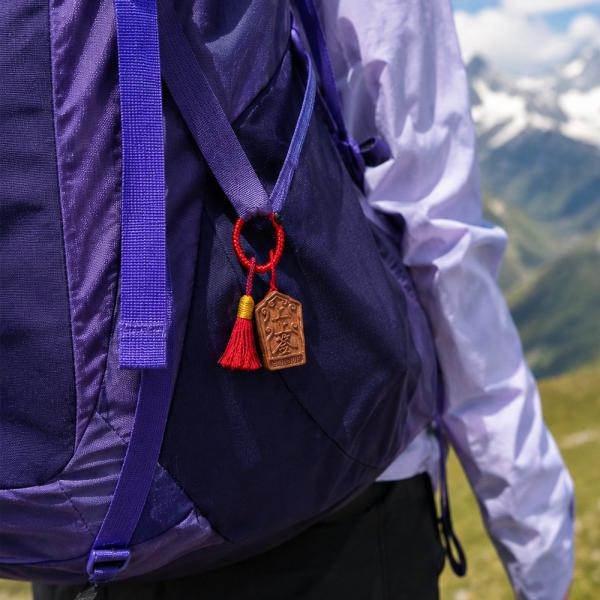
A hanging charm has three destinations: bag, car, keys. On a bag is safest. In a car it must be short — long, it swings, blocks the view, and under hard braking it can swing into the windshield. On a keyring it knocks against the keys, and the high relief wears flat first. Deciding where it will hang matters more than choosing the design. A bag cord should be detachable so you do not cut it when you change bags. For keys, choose a short cord; a long one tangles with everything else.
High relief stands up high; seen from the side you can read its thickness, and a finger finds a step. In casting, gas pores gather at the high points, especially the hat wings and the sword grip, and have to be filled at finishing. A filled spot takes colour differently — an aged finish hides it, a bright finish shows it at once. The back of high relief has to be left thick; too thin and it cannot hold the front, and it bends within days of wearing. Run a hand around the edge of the relief and have any burr taken off.
Exams, openings, moving house — all three occasions bring people in to buy it as a gift. Say the thing plainly when you hand it over: this is a token of luck, the same order of thing as pasting up a good-luck character at New Year, and do not expect it to do anyone’s business for them. Some find Zhong Kui fierce; turn the top-slip side outward then, since the words are auspicious and the face stays inside. Customers buy it for someone sitting an exam, saying they want the top-slip omen, and that I am glad to sell. Hand it over and do not rush to talk about efficacy; say first that it is an old token of luck.