


Menu
By theme
By theme

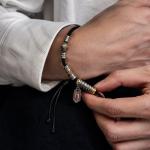

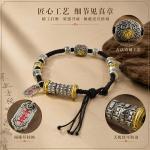
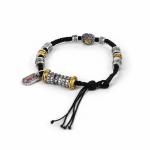
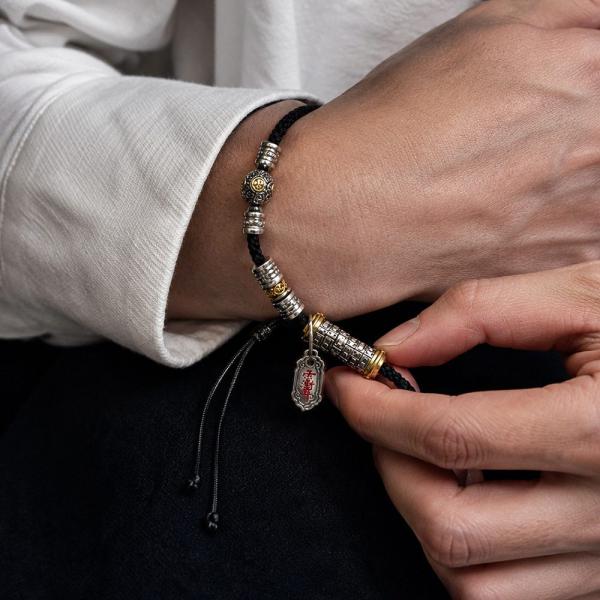
{{ variable.name }} : {{ variable.values[selectedVariantsIndex[variable_index]].name }}
Quantity:
The word “set” here means several pieces together: one bracelet plus a number of fittings, all from one batch in colour and finish. The advantage is convenience, no assembling to do; the drawback is losing the pleasure of matching, and people who work with strands often find it too tidy and take it apart to restring. The fittings are usually spacers and small tags from the same batch, and only with all of them is it a set. Those who restring mostly want to move a fitting, not that the thing is poor.
In old usage tianji mostly meant the mechanism by which heaven runs, a neutral term; the later phrase about revealing heaven’s secrets pushed the meaning toward the occult. Carved on a plaque, the two characters mean holding something back rather than letting it show, not that there is any confidential matter in it. That is how I answer when customers ask, and I do not make it mystical. When the old writers said tianji they mostly tied it to the seasons and the turn of fortune, a large word, not a small cleverness.
This one is copper, not white copper: warmer yellow, softer. Soft copper has its advantages — the hole edges open easily, restringing is simple — and its drawback, that it takes scratches; a day in the same pocket as keys and it is marked. White copper is harder and colder, and set side by side the two are obvious. Scratches can be polished out, but the polished patch comes up brighter than its surroundings, so the whole piece has to be done. If a hole edge has worn large, a small leather washer will hold the bead in place.
A bracelet’s structure is two things: the links and the clasp. Loose links rattle as you wear them and pile on the wrist bone when your hand hangs; a lobster clasp outlasts a spring clasp, whose tongue bends easily. Which link the fittings hang from should be decided beforehand — hang them off center and the bracelet turns itself to one side. Loose links have another fault: the noise while you work is distracting. A clasp tongue goes slack after some years; replace the clasp, not the whole bracelet.
Copper darkens with sweat, especially in summer; a day’s wear can leave a green ring on the wrist. That is copper salt, it washes off, and it is not poisoning. Wipe with a dry cloth and store in a bag, and do not keep it with silver — the two metals rub and the silver goes black. A pair works as a couples’ gift; the men’s and women’s differ in length, so ask the wrist size. One customer bought it for a first job, saying copper is not precious and suits wearing to work.