


Menu
By theme
By theme




{{ variable.name }} : {{ variable.values[selectedVariantsIndex[variable_index]].name }}
Quantity:
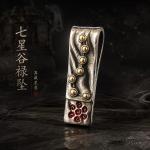
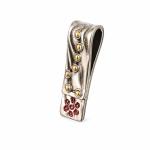
Seven grains of rice are the small pinch people used to carry: seven grains, in a little cloth bag or a tiny porcelain bottle, in the pocket when leaving the house. Made into a pendant, the grain shapes are cast in brass, seven in a row, standing low enough that a fingertip can count them. The pendant is small, full on the front, flat behind, with the cord hole at the top edge and the grains level with each other. Narrow gaps separate the seven and dust lodges in them, the usual trouble with tight-packed bumps. The grains are all the same size, and none stands out.
Rice heads the five grains, and older people treated it as capital: fill a peck measure and you had a floor under you. Seven is a small number, countable on one hand, chosen for the solidity of a number you can count rather than for empty luck. In the old days rice-grain patterns went onto children's lock pendants and onto bracelets for a bride. The pattern is not literal; every grain is round, better looking than real rice. The five grains vary by region, but rice is always among them.
The pendant is light, does not drag at the neck, and a thin cord will hold it. The gaps between the grains are narrow and gather dust. To keep that down, a cord holds it steadier than a chain, because the plaque does not rub back and forth and fewer fibres work their way in. Choose a cotton-waxed cord, which does not slip when you sweat, and hide the knot behind the pendant. A fine chain on a small pendant turns over; a cord sits flatter. Run the cord a little longer so the grains face outward and you can see them when you look down. Worn on a cord it lies against the chest and sways gently when you walk fast.
Brass in its own colour, unplated. Brass changes with sweat: first it dulls, and in time the edges go reddish, the depth of red depending on the alloy and varying within a batch. To brighten it, rub with a dry soft cloth; when it is badly dull, put a little toothpaste on the cloth and work in circles, never abrasive paper. The rounded tops of the grains polish bright first, and that is patina from wear, not something to correct. Once the edges go red, no amount of rubbing brings back the original yellow. Brass does not need oil, which only attracts dust.
A small piece like this suits being worn close, though plenty of people hang it on car keys or a bag zip: the listing says pendant, and many use it as a charm. The body is small, so do not pick at the grain edges with a fingernail, which leaves bright scratches over time. Thin brass dents under pressure, so take it off to sleep, and take it off for showers, since soap left in the gaps turns it dull. On a keyring it takes the most knocks and the corners round first, which cannot be helped. In a bag, keep it a layer away from the keys.